





Helmet, axe, shield: that is the image that comes to mind first. Archaeological digs tell a different story though, one of a people who dressed up a lot, with brooches, bracelets, rings and pendants found by the thousands in Scandinavian graves. Yes, Vikings really did wear jewelry, and the silver they carried on their wrists was not just decoration.
À découvrir


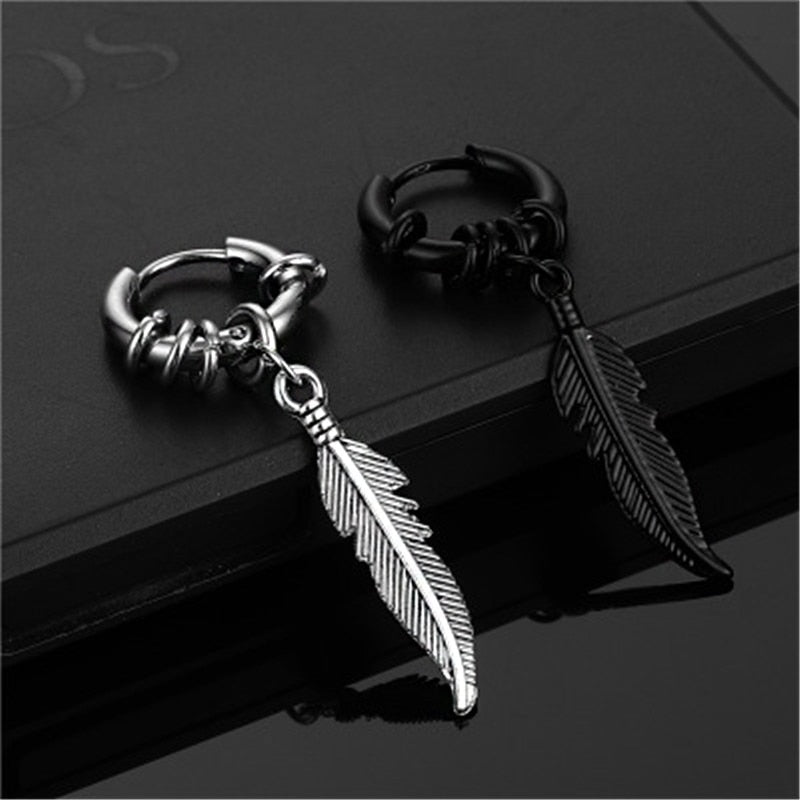
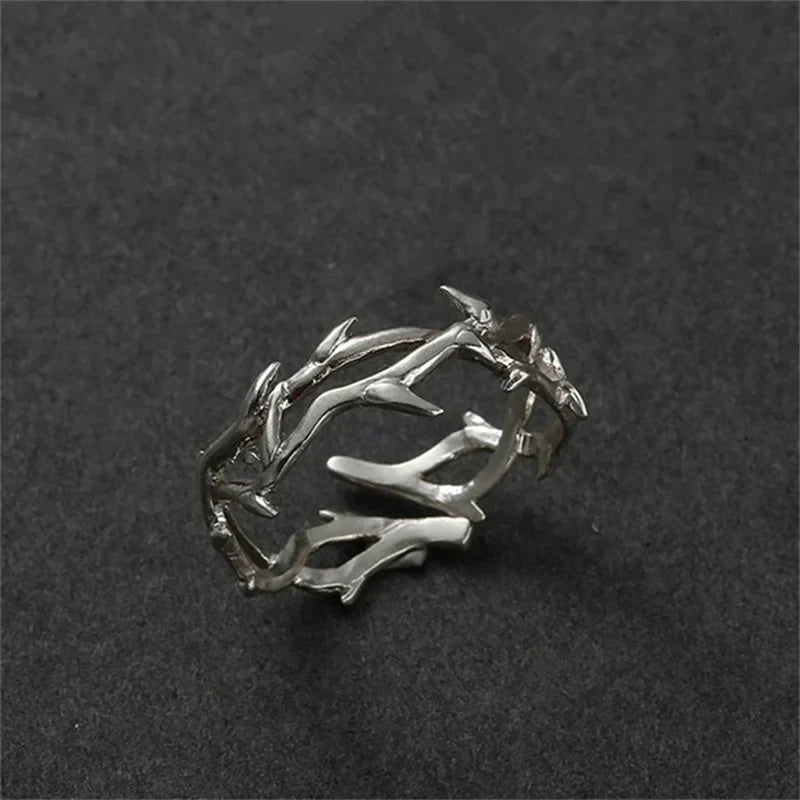
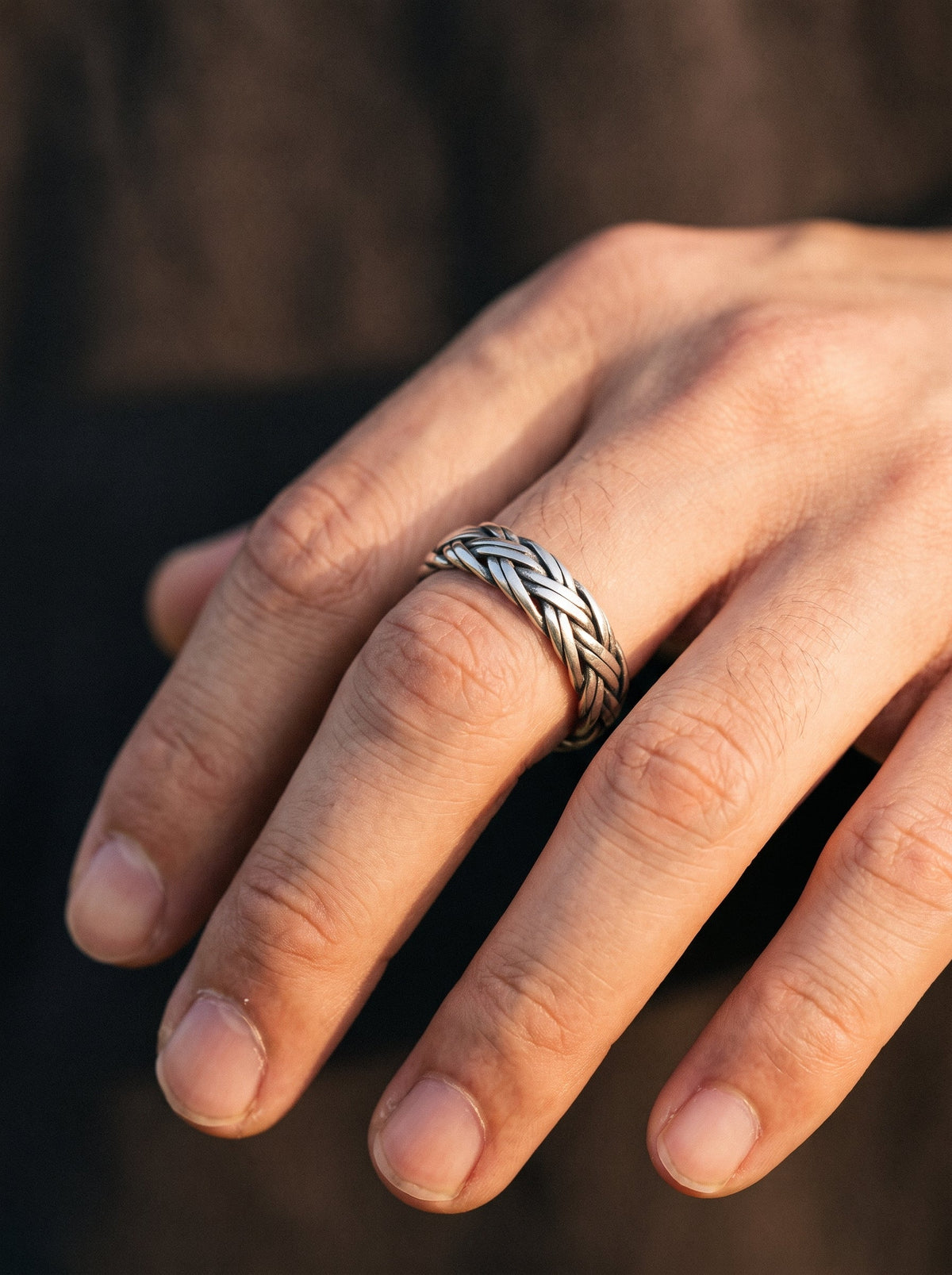
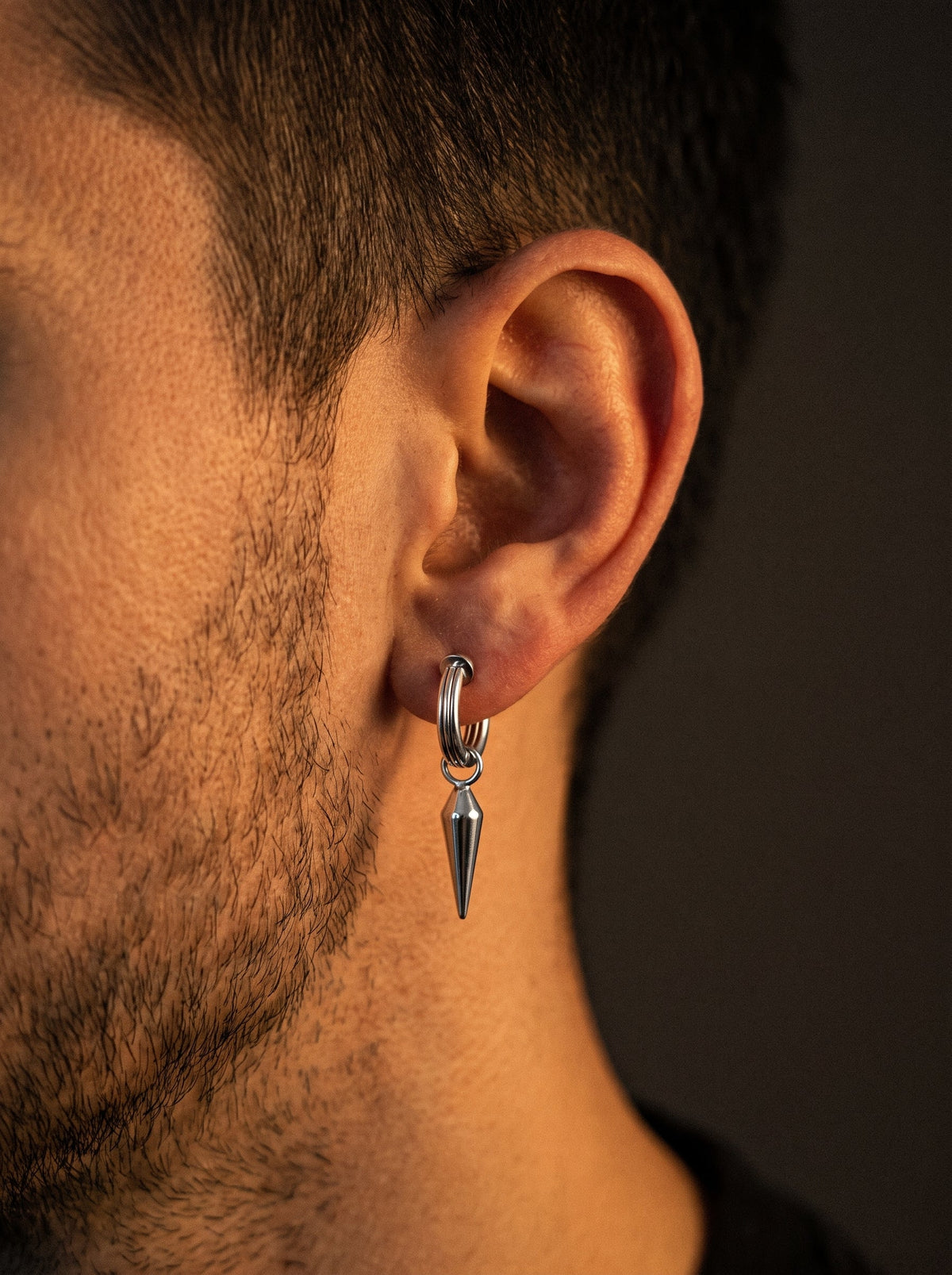
Before looking at what archaeologists say, a word on the Viking world as we bring it back today in our jewelry: engraved rings, earrings and bracelets inspired by these finds, made for a man who likes to carry a bit of that history every day.
- Brooches, bracelets, rings and pendants are among the most common finds in Viking Age graves (8th to 11th century).
- Silver was worn as much as it was spent: a bracelet could be cut into pieces, "hacksilver", to pay for goods by weight.
- Sources are richer for women, whose outfits required brooches, but men also wore rings, arm rings and pendants such as Thor's hammer.
The brooch, the jewel Viking women could not do without
The most common jewel found in Scandinavian women's graves is neither a ring nor a necklace, but a pair of oval brooches. These ten to twelve centimetre fibulae held up the straps of the traditional apron dress, so they had a function before being an ornament. They were still richly decorated, often with the interlaced animal motifs typical of Scandinavian art, and sometimes paired with strings of glass beads strung between the two brooches. Their near constant presence in women's graves explains why we know far more about female dress than male dress today.
Silver you wear, and silver you spend
For the Vikings, a silver bracelet or neck ring was not just an ornament, it was also a store of value. Traders cut off fragments of silver jewelry, hacksilver, to settle a trade by weight, using small scales that are still found in some merchant graves. The Spillings hoard, unearthed on the island of Gotland in 1999, confirms it: around 67 kilos of silver, including thousands of Arabic coins and dozens of bracelets.
| Object | Main function |
|---|---|
| Oval brooch (fibula) | Hold the dress, then adorn |
| Silver bracelet or neck ring | Adorn, and double as cut currency if needed |
| Thor's hammer pendant | Protection and religious belonging |
| Ring | Ornament, rarer and more discreet |
Thor's hammer, the pendant that crossed the centuries
The most commonly worn religious symbol remained Thor's hammer, Mjollnir. Several pendants of this type have been found across Scandinavia, some engraved with runes directly invoking the god's protection, proof that the belief behind the jewel was taken seriously, not just decorative. This pendant is also the one that has carried through time best into our current Viking jewelry, where it remains the most requested piece.
What about the men? The relative silence of the sources
While women's graves yield so many brooches, men's graves look sparser. The reason is not that men dressed up less, but that funerary practices preserved their jewelry less well: cremation, more common for men in certain regions, destroys most of the metal, while inhumation protected women's jewelry until today. Surviving male graves still yield arm rings, simple rings and pendants. One outside account fills in the picture: the Arab traveler Ibn Fadlan, who met Scandinavian traders on the Volga in the 10th century, describes husbands giving their wife a neck ring for every portion of wealth accumulated.

Myth or reality: what modern Viking jewelry added
The symbols are genuine: the wolf, the dragon, Thor's hammer do come from Norse mythology. Turning them into today's jewelry, however, is mostly contemporary design: the massive black steel Viking ring found in stores has no exact archaeological equivalent, since most recovered Viking jewelry is bronze, finer than what TV shows have popularized. Silver and gold remained reserved for a wealthy minority. We detail the meaning of these symbols in Viking rings and their meanings, and a broader overview in men's Viking jewelry. You can find this heritage in our wolf rings and our dragon rings, made as a tribute, not a museum copy.
For anyone who wants to carry a bit of this history without getting the piece wrong, our Viking rings, our Viking earrings and our Viking bracelets pick up these motifs in stainless steel, built to last without ever turning green.
Frequently asked questions
Did Vikings really wear rings?
Yes, but less often than bracelets and brooches. Men's graves yield silver, bronze or gold rings, usually plain and sometimes engraved. They remain rarer in the sources than arm rings, which also served as an easy to cut and weigh store of wealth.
Why do we find more Viking women's jewelry than men's?
Women were most often buried with their brooches and necklaces, which protected these objects until today. Men were more often cremated depending on the region, a practice that destroys most of the metal and leaves fewer direct archaeological traces.
Was Thor's hammer a real period jewel, or a recent invention?
It is a genuine period jewel. Hammer shaped pendants, some engraved with runes, have been found across Scandinavia and date firmly to the Viking Age. Its current popularity in jewelry continues an old symbol, it does not invent one.
Stag Bijoux, stainless steel jewelry for men, online.
Leave a comment
This site is protected by hCaptcha and the hCaptcha Privacy Policy and Terms of Service apply.