





- The green or black mark on your skin comes from the jewelry's metal (copper, brass, low-grade plating), never from a "jewelry allergy".
- 316L stainless steel doesn't oxidize when it comes into contact with sweat: no marks, whether in the shower or at the gym.
- An existing mark washes off with soap in one or two washes, with no harm to your skin.
You take off your ring in the evening and there's a pale green band around your finger. Or worse, a bracelet leaves a blackish line on your wrist after a day of training. Your first instinct is to think your skin "can't handle" jewelry. That's almost never the case.
À découvrir


The real culprit is the metal, not your body. Switching to a Green fingers: why some jewelry turns your skin black (and how to avoid it) solves the problem once and for all, and understanding why keeps you from getting caught out on your next purchase.
Where the green (or black) mark really comes from
There's nothing mysterious about it. Brass, copper and most low-grade alloys contain free copper. When exposed to air, moisture and especially the acidity of sweat, this copper oxidizes and forms copper carbonate, which is green, or copper sulfide, which is more blackish. This residue rubs off onto your skin exactly where the jewelry touches it.
It isn't your skin reacting to the metal, it's the metal reacting chemically to air and sweat. In fact, people with naturally more acidic skin (more acidic sweat, hot climate, intense workouts) turn green faster than others wearing the same piece.
Jewelry that turns black, and jewelry that's completely safe
Three types of metal behave very differently:
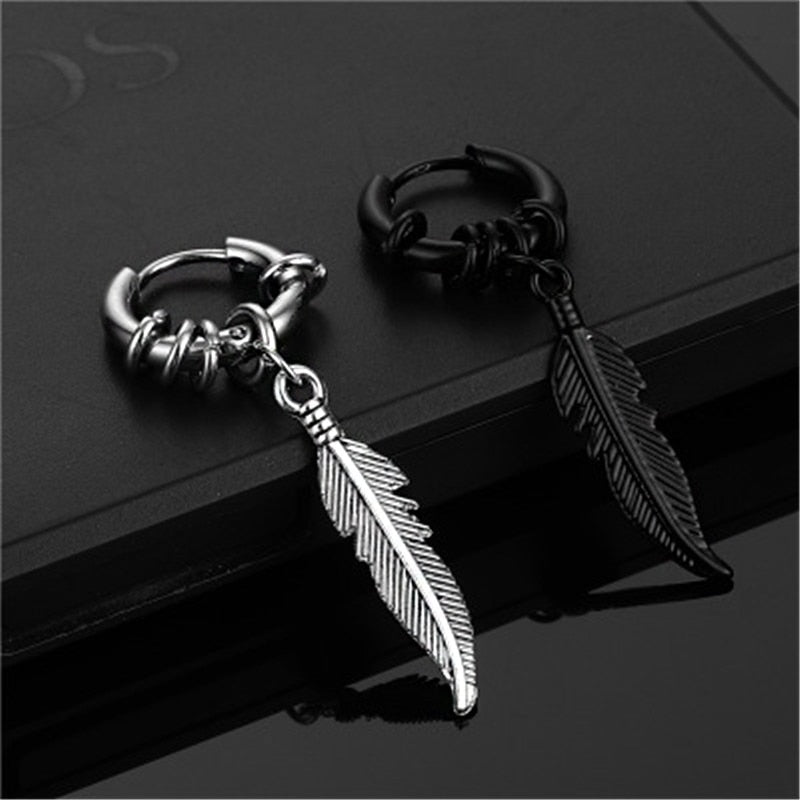
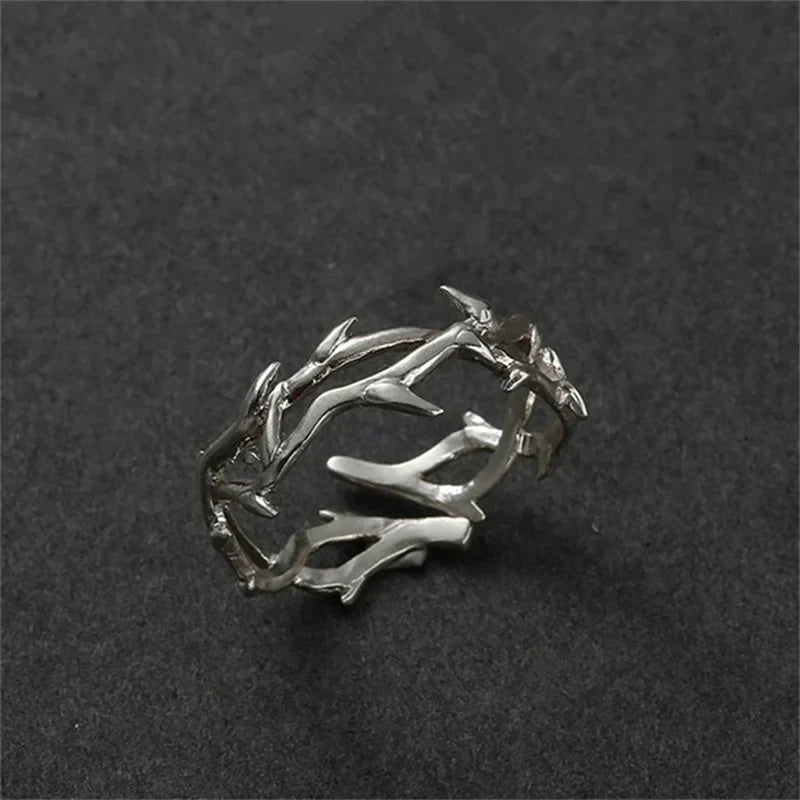
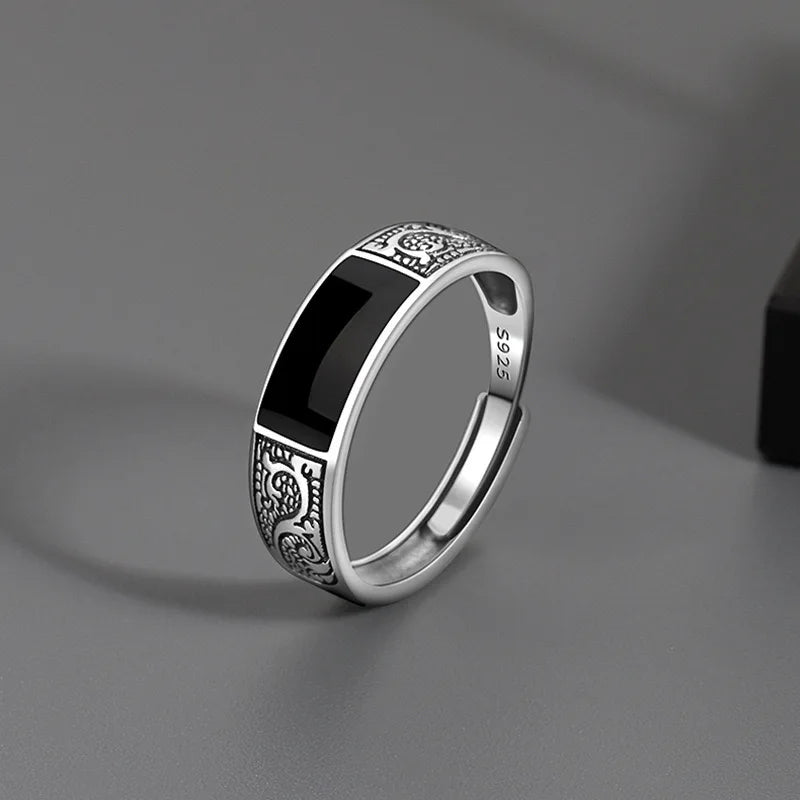
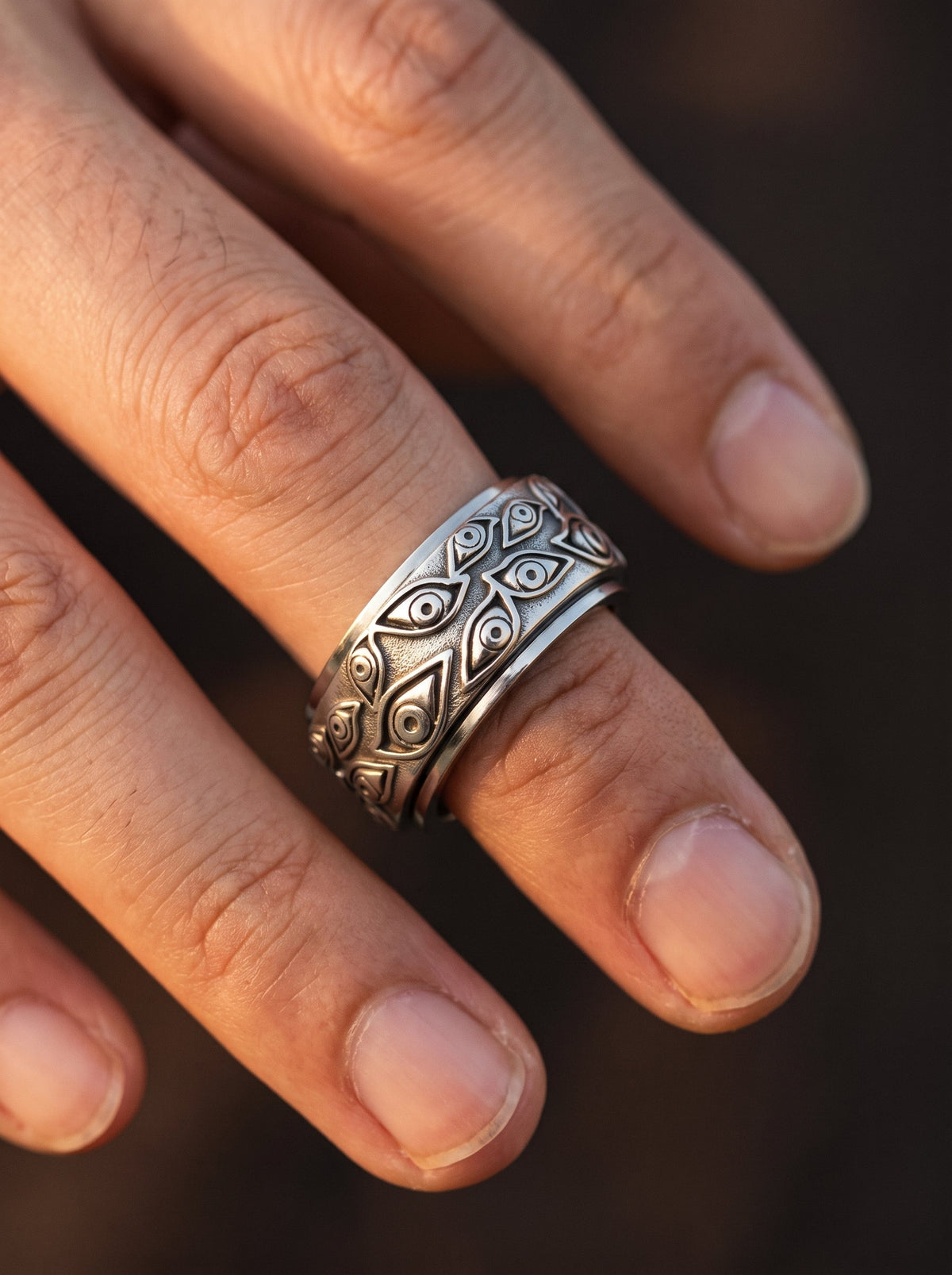
Bare brass and solid copper almost always turn black, and fairly quickly. Low-grade gold-plated or silver-tone plated jewelry lasts a few weeks, until the thin plating wears off, and then the copper or brass underneath starts reacting again. 316L stainless steel, on the other hand, whether raw, gold-tone or silver-finish, doesn't contain enough free copper to oxidize this way. That's why every Stag piece, whether it's a signet ring, a bracelet or a white gold finish ring, keeps the same color from the first day to the last.
The 30-second home test
Before buying jewelry elsewhere, or to check a piece you already wear, four checks are all you need:
- Read the product page: look specifically for "stainless steel" or "316L". If the material isn't specified, that's a bad sign.
- Rub the piece for ten seconds with a cotton pad soaked in rubbing alcohol. If a gold, copper or gray residue comes off, the plating is wearing away.
- Wear it for a full day of training or in the shower. Stainless steel isn't affected by water or sweat, while a low-grade alloy will tarnish or leave marks within hours.
- Be wary of a price that's too low for jewelry sold as "gold-plated" or "silver-tone": beneath a layer just a few microns thick, there's often bare brass.

Already have a green mark? Here's what to do
Nothing to worry about. The mark is copper oxide sitting on the surface of your skin, not something embedded in it. Washing with soap and warm water is usually enough to remove it, or two washes if it's more pronounced. No need to scrub hard or use harsh products.
As for the jewelry itself, a little baking soda on a soft toothbrush, followed by rinsing and drying, removes the green buildup from its surface. But that's only a temporary fix: a piece that has turned green once will do it again, because the problem lies in the metal, not on your skin. The real solution is to switch to stainless steel for everything that touches your skin daily, whether it's a ring, an earring, a hoop earring or a piercing.
How to choose so you never have to think about it again
The rule is simple: if the product page doesn't clearly state "stainless steel" or "surgical steel", there's a real risk of oxidation sooner or later. We explain how this metal works in our guide to surgical steel, and if your skin is particularly reactive, our article on earrings and sensitive skin goes further into the subject.
At Stag, everything is made of stainless steel, never bare brass or thin plating: a signet ring worn in the shower, a piercing kept in at the gym or a hoop earring forgotten at the pool won't change color.
Frequently asked questions
Is a green mark on the skin dangerous?
No. It's copper oxide deposited on the surface of your skin, not an allergic reaction or poisoning. Washing with soap is enough to make it disappear. If the area also turns red or irritated, nickel is often to blame, and it's best to switch to a different piece.
Can stainless steel ever turn green?
Quality stainless steel, known as 316L or surgical steel, doesn't contain enough free copper to oxidize on contact with skin. Even worn in the shower, at the pool or during workouts, it keeps its color. That's the whole advantage over brass or thin plating.
Why does my ring turn green when my bracelet never does?
Because the two are probably not made of the same metal. A stainless steel piece will never react, while plated or bare brass jewelry, however subtle, always ends up showing its true nature after prolonged contact with sweat.
Stag Bijoux, stainless steel jewelry for men, online.

Leave a comment
This site is protected by hCaptcha and the hCaptcha Privacy Policy and Terms of Service apply.