

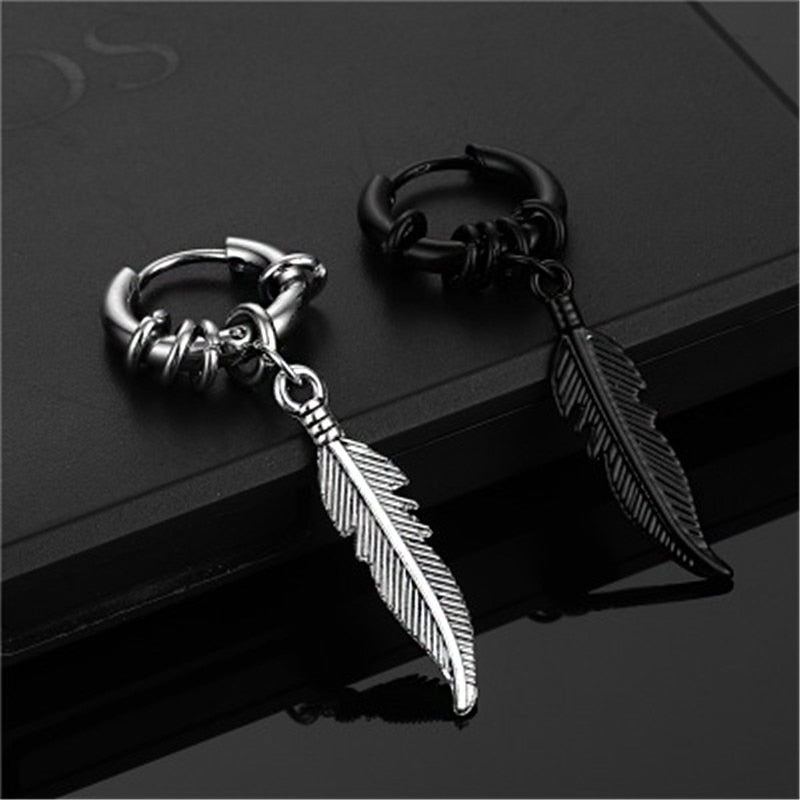


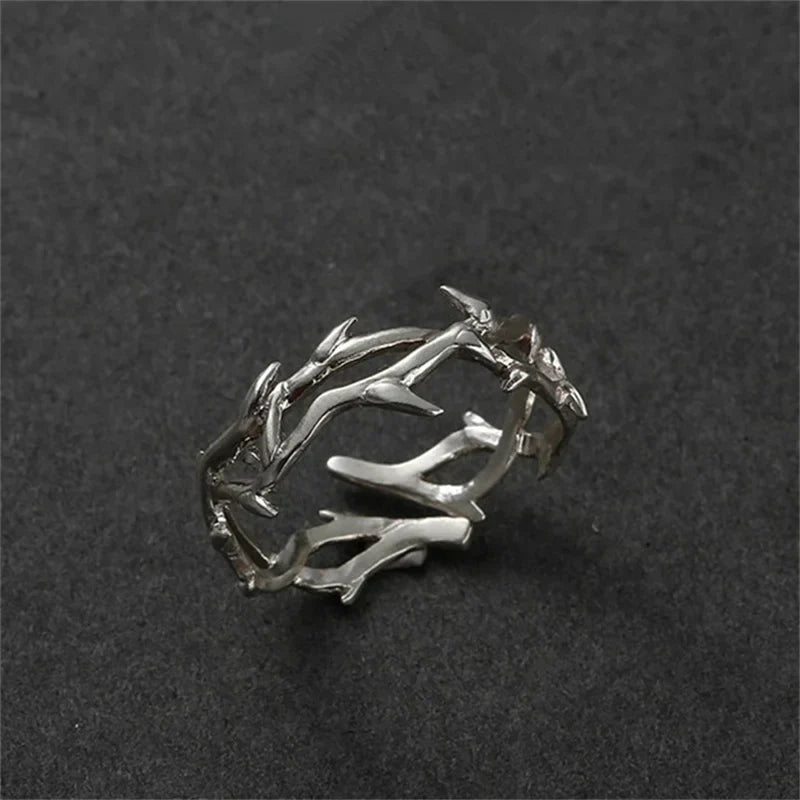


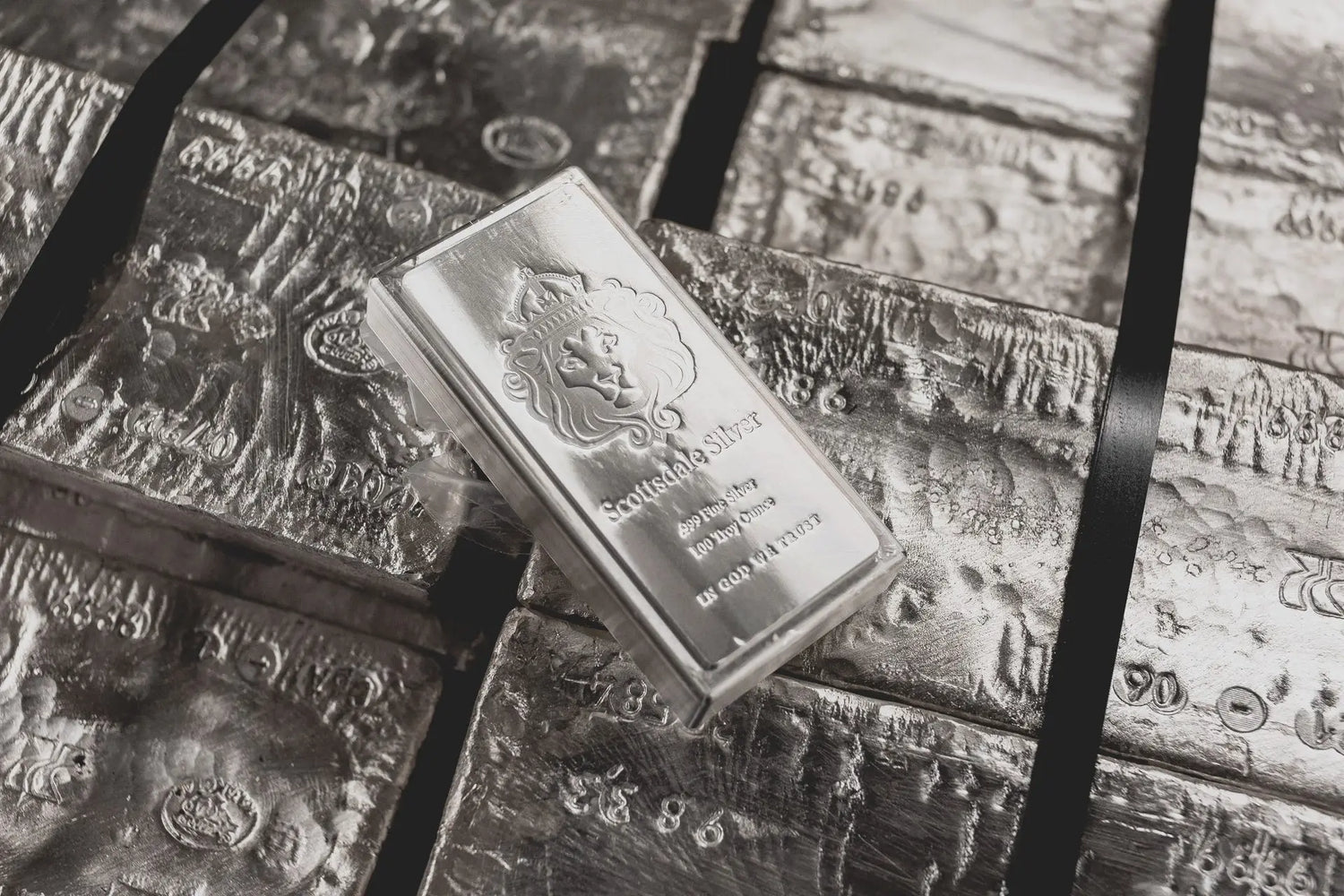
Silver is one of the most popular materials used in jewelry due to its quality and workability. However, while silver is a strong material, it is especially so when mixed with other elements. Unfortunately, it is this mixture with other materials that can cause allergies.
À découvrir


Does silver really cause allergies?
In fact, an allergy to silver as such is unlikely, as silver is an anti-allergenic material. What is probably causing your allergy is a material that was used in the mixture. Silver, to become a material robust enough for jewelry making, must be mixed with other elements, and it is these elements that can be the cause of your allergy. The most common allergies are often due to nickel, zinc, or copper.
Materials used in jewelry that can cause allergies
We cannot really speak of an allergy to silver, but rather to the materials that accompany it. For example, if you bought silver jewelry with a silver content of less than 925, it is very likely that if you are allergic, you are allergic to the other metals that make up the mixture of your jewelry. Another cause of this possible allergy is nickel: this material is the biggest known cause of allergies to date in the world of jewelry.

Our tips for avoiding silver allergies
Only buy 925 silver jewelry: this is the highest silver composition you will find on the market. To be even more allergy-free, we recommend using rhodium-plated jewelry. Rhodium plating is a special treatment that is also hypoallergenic. Avoid jewelry containing other metals whose nature you do not know.
We also suggest you remove your jewelry if you go to the gym, shower, pool, or beach... It is also because of this type of humid or aggressive environment for your jewelry that the risk of allergy is highest. In short, avoid places where you know you will sweat, as sweat causes some metals to dissolve and be absorbed by our skin, which leads to skin reactions, among others.
If you notice that your allergy is worsening, we recommend that you visit an allergist to get tested and find out exactly what you are allergic to.
When buying jewelry, read the jewelry description to find out what material it is made of. In the description of our men's earrings, you will always find detailed information about their composition. In most cases, the jewelry is made of 925 sterling silver and is either gold-plated or rhodium-plated.

Symptoms that may indicate an allergy to your jewelry
Jewelry allergies are often caused by the natural corrosion your jewelry undergoes every day. In this case, the metals release metal ions that, when in contact with your skin, can cause an allergic reaction. Indeed, your skin's immune cells will mistake these ions for microbes or bacteria, and will therefore attack them.
One of the most common reactions in case of allergy is contact dermatitis. Dermatitis appears as a reddish skin rash accompanied by itching. Moreover, dermatitis is frequently confused with eczema.
If you wear your jewelry and you are allergic, you will experience a number of symptoms that will alert you to the fact that you may be allergic to this material. For example:
- Swelling: the area where you wear the jewelry may swell.
- Itching: you will probably feel itching in the affected area.
- Redness: you may see redness appear on the skin.
If you experience any of these symptoms, remove the jewelry immediately.

How to treat an allergic reaction to your jewelry?
First of all, even if you love this pair of earrings, this pendant, or this ring, it is best to remove it.
If the itching persists, try applying a soothing skin cream: you can easily find one at the pharmacy.
But remember to monitor your allergy and consult an allergist if your allergy persists. Once you know what type of jewelry triggers an allergy, you will only have to read the descriptions of your future jewelry carefully to avoid bad experiences.
To avoid reactions, choose safe materials such as 925 silver or steel, for example in our collection of men's earrings.


Leave a comment
This site is protected by hCaptcha and the hCaptcha Privacy Policy and Terms of Service apply.