

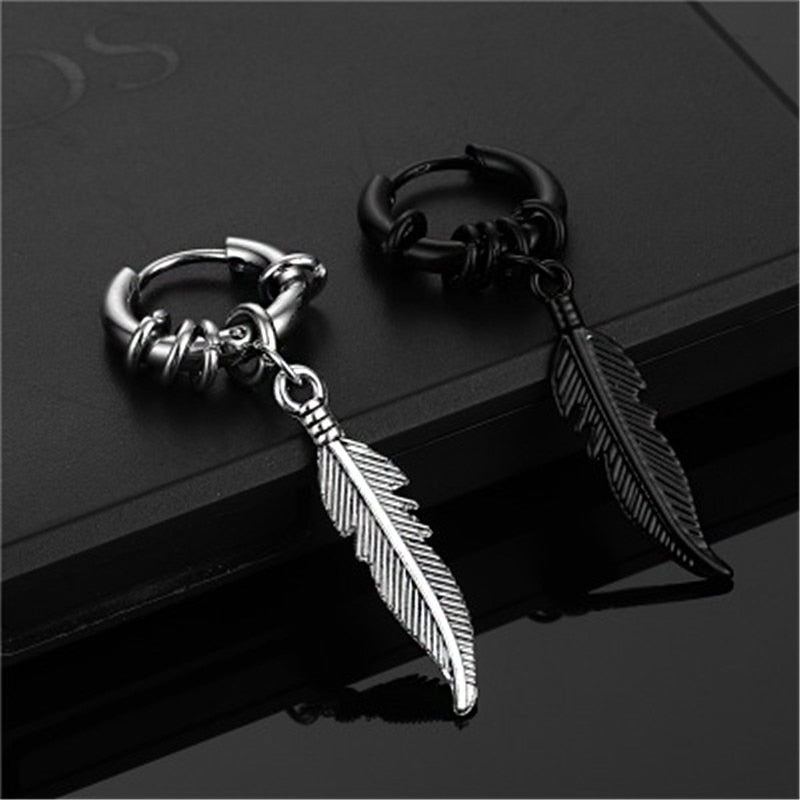


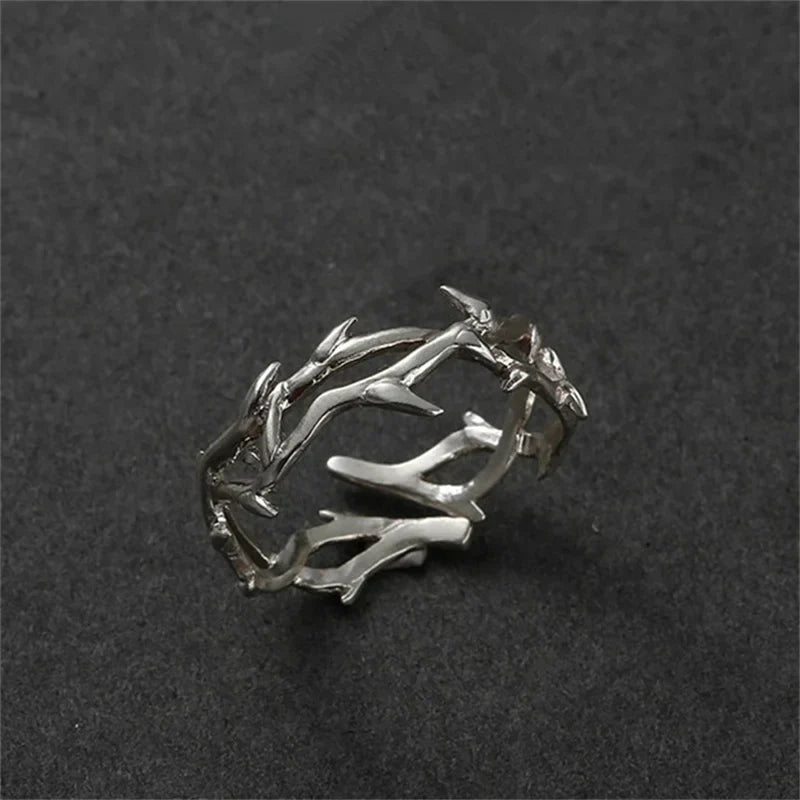


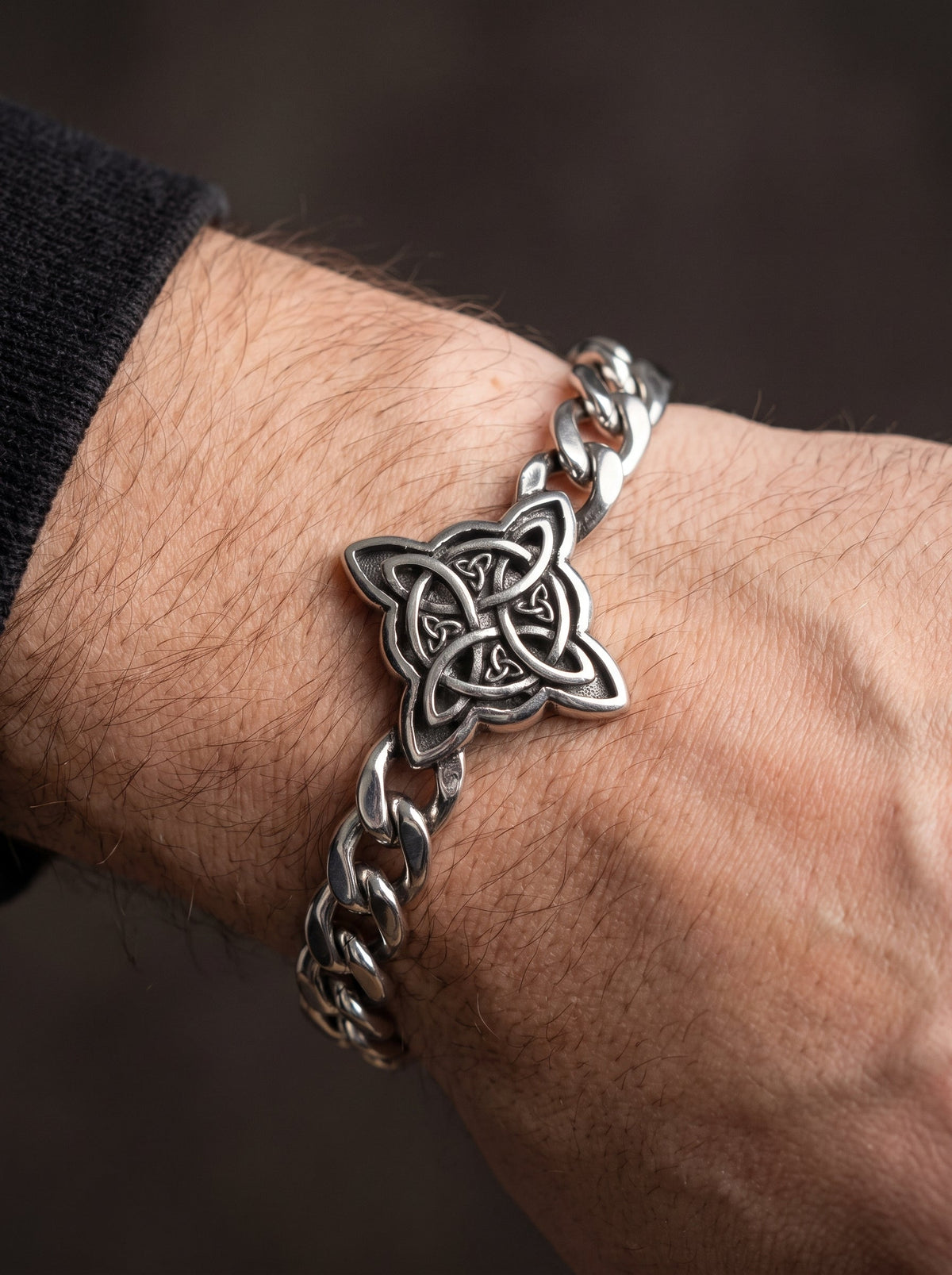
- Stainless steel handles the shower, sweat, and a swim in the sea or pool without any damage.
- The real risk isn't the water itself, it's the salt and chlorine that build up inside clasps and tight chain links.
- Leather, natural stone beads, and fragile clasps are the only things worth taking off before getting wet.
The bracelet stayed on through the shower this morning, like every morning. Then came the midday workout, and the question that always comes back in summer: does keeping a piece of jewelry on at the pool or the beach actually damage it?
À découvrir


With a stainless steel bracelet, the answer is no in the vast majority of cases. That's exactly what sets steel apart from more fragile metals: it doesn't need to be protected from water in daily life.
Shower and daily life, zero worries
Tap water, soap, shower gel, shampoo: none of these attack stainless steel. It's one of the most stable metals around, used in surgery and professional kitchens for that very reason. A bracelet, a ring, or earrings in steel can go through the shower without any special care, unlike 925 silver, which eventually tarnishes from repeated contact with hard water.
Sea, pool, chlorine: what actually happens
Salt and chlorine don't dissolve stainless steel the way they can attack cheaper alloys or plated metals. The real weak point isn't the metal itself but the tight spots: the inside of a clasp, the tight links of a chain, the setting around a stone. Salt and chlorine residue can get trapped there and, over time, slightly dull the shine. Nothing permanent, but rinsing with clean water after a swim keeps it from building up.
Sport and sweat, the real test for the metal
Sweat is acidic and salty. That's exactly what makes cheap brass or plated jewelry turn skin green (we cover that in detail here). Stainless steel, on the other hand, doesn't react with skin or sweat at all. That's also why surgical steel remains the go to for any jewelry worn around the clock, from a first piercing to the gym.
What's worth taking off before getting wet
| Type of jewelry | Safe in water? | Why |
|---|---|---|
| Steel bracelet or ring | Yes, no issue | Non porous metal, doesn't react to salt or chlorine |
| Open steel cuff | Yes | No clasp to worry about, nothing to get stuck or come open |
| Welded link chain | Yes, rinse after | Links trap salt and chlorine, a rinse stops it from settling |
| Leather bracelet | No | Leather stiffens and can crack as it dries |
| Natural stone beads | No, for extended swims | Stone is porous and absorbs salt and chlorine over time |
After a swim, the only thing worth doing
No special product needed. A rinse in clean water to remove salt or chlorine, then drying with a soft cloth, is enough to keep a steel piece looking sharp year after year. For deeper care (polishing, stubborn marks), a microfiber cloth with a bit of mild soap does the job, just never an abrasive product.

FAQ
Can you wear a steel bracelet at the pool every day?
Yes. Stainless steel isn't bothered by chlorine or daily pool use. Just rinse the piece with clean water after swimming to stop chlorine residue from building up in a clasp or between chain links.
Does sea salt make stainless steel turn black?
No, unlike brass or plated metals, which can oxidize and turn skin green or black. Stainless steel doesn't react with salt. A rinse after swimming is still recommended to keep the metal's shine over time, not to prevent damage.
Should you take off steel jewelry before working out?
No, steel handles sweat and effort very well. The only real precaution is about safety around gym machines or weights: it's wise to remove a bulky bracelet or ring during strength training, as a safety habit rather than to protect the jewelry.
Stag Bijoux, men's jewelry in stainless steel, online.
Leave a comment
This site is protected by hCaptcha and the hCaptcha Privacy Policy and Terms of Service apply.